In a world where the open road beckons, the notion of embracing solar power for your RV may seem ironic. However, technological advancements have made it possible to harness the sun’s energy and power your mobile home with ease. This article explores the benefits of solar power for RVs, the types of panels available, factors to consider before installation, and provides a step-by-step guide for embracing this eco-friendly solution. Take a journey towards sustainability and efficiency on your next adventure.
The Benefits of Solar Power for RVs
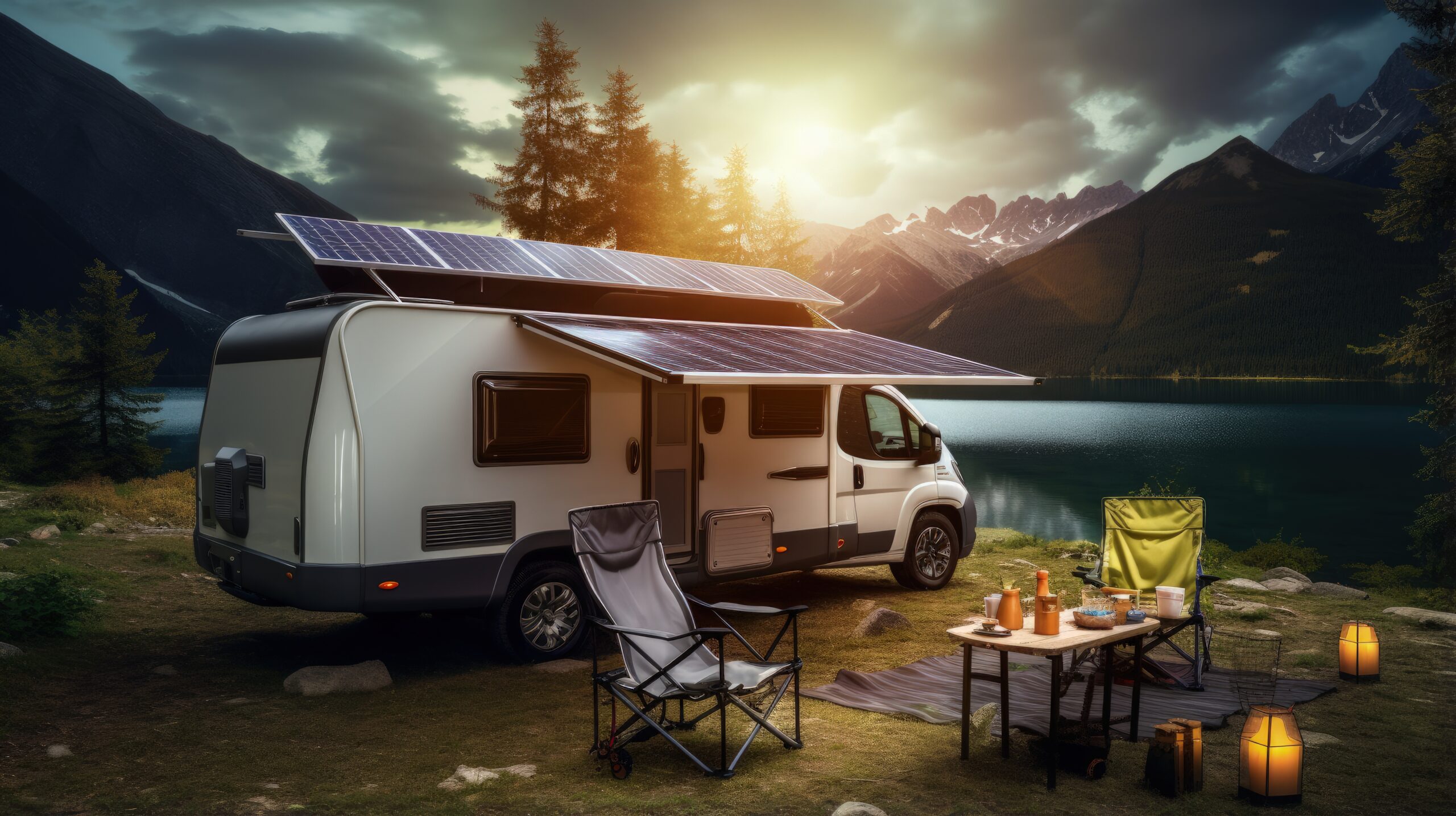
Solar power offers numerous advantages for RV owners, providing a cost-effective and environmentally friendly solution for powering their vehicles while on the road. One of the key benefits of solar power for RVs is the ability to generate electricity without relying on traditional fuel sources. This means that RV owners can significantly reduce their reliance on fossil fuels, reducing both their carbon footprint and their expenses. Additionally, solar power allows RV owners to have greater independence and flexibility while traveling. With solar panels installed on their vehicles, they can generate electricity wherever they are, without the need for a hookup to external power sources. This is particularly useful for RV owners who enjoy boondocking or camping in remote locations, where access to electricity may be limited or unavailable. Overall, solar power offers RV owners a sustainable and convenient way to power their vehicles and enjoy the freedom of the open road.
Types of Solar Panels for RVs
When considering solar power for your RV, it is important to explore the various types of solar panels available on the market. Here are four common types of solar panels that are commonly used for RVs:
- Monocrystalline Panels: These panels are made from a single crystal structure and offer high efficiency and performance. They are also known for their sleek design and ability to perform well in low-light conditions.
- Polycrystalline Panels: These panels are made from multiple crystal structures and are less expensive compared to monocrystalline panels. While they may have slightly lower efficiency, they still provide a reliable and cost-effective option for RV owners.
- Thin-Film Panels: These panels are made by depositing thin layers of photovoltaic material onto a substrate. They are lightweight and flexible, making them ideal for curved surfaces on RVs. However, they have lower efficiency compared to crystalline panels.
- Portable Panels: These panels are lightweight and easy to transport, making them perfect for RV owners who are constantly on the move. They can be easily set up and oriented towards the sun, providing a convenient and flexible solar power solution.
When choosing the right solar panel for your RV, consider factors such as efficiency, cost, durability, and ease of installation to make an informed decision.
Factors to Consider Before Installing Solar Panels
Before proceeding with the installation of solar panels on your RV, it is essential to carefully evaluate certain factors. Firstly, consider your energy needs. Assess how much power you require on a daily basis and determine the size of the solar panel system that is suitable for your needs. Additionally, evaluate the available space on your RV’s roof to ensure that it can accommodate the solar panels. Consider any obstructions such as vents, air conditioners, or satellite dishes that may interfere with the installation. Moreover, think about the climate and weather conditions in the areas you will be traveling to. This will help you determine the efficiency and effectiveness of the solar panels in generating power. By taking these factors into account, you can make an informed decision before proceeding with the installation. In the subsequent section, we will provide a step-by-step guide to installing solar panels on your RV.
Step-by-Step Guide to Installing Solar Panels on Your RV
To begin the installation process for solar panels on your RV, it is important to carefully plan and gather the necessary materials and tools. Here is a step-by-step guide to help you through the process:
- Assess your power needs: Determine how much energy you will need to power your RV and choose solar panels accordingly. Consider factors such as the number of appliances and devices you will be using.
- Select the right location: Find a suitable spot on the roof of your RV where the solar panels can be installed. Ensure that there are no obstructions such as vents or air conditioning units.
- Mount the solar panels: Install the mounting brackets on the roof and secure them firmly. Attach the solar panels to the brackets and ensure they are properly aligned and angled towards the sun.
- Connect the wiring: Connect the solar panels to a charge controller and then to your RV’s battery bank. Make sure all connections are secure and protected.
Maintenance Tips for Solar Panels on Your RV
For optimal performance and longevity of your RV’s solar panels, regular and thorough maintenance is essential. Taking proper care of your solar panels will not only ensure they continue to generate clean and renewable energy but also extend their lifespan. The first step in maintaining your solar panels is to keep them clean. Regularly remove any dirt, dust, or debris that may accumulate on the surface of the panels. This can be done with a soft cloth or sponge and a mild detergent. Additionally, inspect the panels for any signs of damage, such as cracks or loose connections, and address them promptly. It is also recommended to check the wiring and connections regularly to ensure they are secure and functioning properly. By following these maintenance tips, you can maximize the efficiency and longevity of your RV’s solar panels.