Embark on an exhilarating journey of freedom and self-sufficiency with “The Joy of Off-Grid RV Adventures: A Beginner’s Guide.” This comprehensive article serves as a compass for those seeking to explore the untamed beauty of nature while living off the grid. From selecting the ideal off-grid RV to mastering energy conservation techniques, this guide is a must-read for anyone yearning to break free from the confines of traditional living. Get ready to experience the ultimate sense of liberation on the open road.
Choosing the Right Off-Grid RV
- When choosing an off-grid RV, it is important to consider various factors to ensure a successful and enjoyable adventure. Firstly, you need to assess your specific needs and preferences. Consider the size of the RV and the number of people it can comfortably accommodate. Will you be traveling alone or with a group? Next, evaluate the power source options available. Look for RVs equipped with solar panels and battery systems to ensure a reliable off-grid experience. Additionally, examine the water and waste management systems. Look for features such as larger holding tanks and water filtration systems to maximize your self-sufficiency. Lastly, consider the overall durability and off-road capabilities of the RV, as you may encounter rough terrains during your off-grid journeys. By carefully considering these factors, you can choose the right off-grid RV that meets your specific needs and sets the stage for an unforgettable adventure.
Essential Equipment and Supplies for Off-Grid Living
To fully embrace the off-grid lifestyle in your RV, it is crucial to equip yourself with the essential equipment and supplies necessary for self-sufficient living. Here are three items you should consider investing in:
- Solar Panels: Solar panels are a must-have for off-grid living. They harness the power of the sun and convert it into electricity, providing you with a renewable energy source to power your RV.
- Water Filtration System: Access to clean drinking water is vital when living off the grid. A water filtration system will ensure that you have a constant supply of fresh, clean water, even when you’re in remote locations.
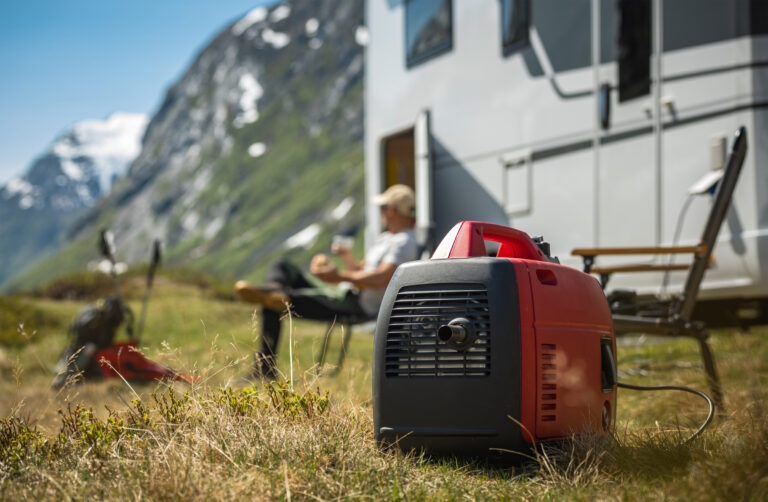
- Propane Generator: A propane generator is a reliable backup power source for your RV. It can be used to charge your batteries, run appliances, and provide heating during colder months.
Equipping yourself with these essential items will allow you to live comfortably and sustainably while off-grid. Now, let’s explore how to find the perfect off-grid campsite.
Finding the Perfect Off-Grid Campsite
When searching for the perfect off-grid campsite, it is important to consider the specific needs of your self-sufficient RV lifestyle. One of the first things to consider is access to basic amenities such as water and electricity. While the whole point of off-grid camping is to disconnect from traditional utilities, having access to a water source for drinking, cooking, and cleaning is essential. Additionally, you may want to consider the availability of solar power or generators for electricity if you rely on it for certain appliances or devices. Another important factor to consider is the location itself. Are you looking for a secluded spot in the wilderness or a campsite with nearby hiking trails? Lastly, check if the campsite allows for extended stays and if there are any specific rules or regulations. By considering these factors, you can find the perfect off-grid campsite that suits your needs and allows you to fully enjoy the self-sufficient RV lifestyle.
Tips for Conserving Energy and Water on the Road
In the pursuit of a self-sufficient RV lifestyle, it is crucial to employ effective strategies for conserving energy and water while on the road. Here are three tips to help you conserve energy and water during your off-grid adventures:
- Invest in energy-efficient appliances: Consider upgrading your RV with energy-efficient appliances such as LED lights, low-flow faucets, and solar panels. These upgrades can significantly reduce your energy consumption and water usage.
- Practice smart water usage: Be mindful of your water usage by taking shorter showers, fixing leaks promptly, and reusing water whenever possible. Additionally, consider installing water-saving devices such as aerators on your faucets to further reduce water wastage.
- Utilize natural resources: Take advantage of natural resources like sunlight and wind to power your RV. Install solar panels to harness energy from the sun and use wind turbines to generate electricity when the wind is strong. By utilizing these renewable resources, you can reduce your reliance on traditional energy sources and conserve energy.
Safety Precautions and Emergency Preparedness for Off-Grid RV Adventures
Ensuring the safety of your off-grid RV adventures requires careful preparation and adherence to safety precautions. Before embarking on your journey, it is crucial to conduct a thorough inspection of your RV to ensure that all systems are in proper working order. This includes checking the tires, brakes, and electrical systems, as well as ensuring that all safety equipment, such as fire extinguishers and carbon monoxide detectors, are functional. It is also essential to familiarize yourself with emergency procedures and have a well-stocked first aid kit on board. Additionally, it is wise to research the area you will be traveling to, including potential hazards and emergency services available. By taking these precautions and being prepared for any situation, you can enjoy your off-grid RV adventures with peace of mind.